The Challenge
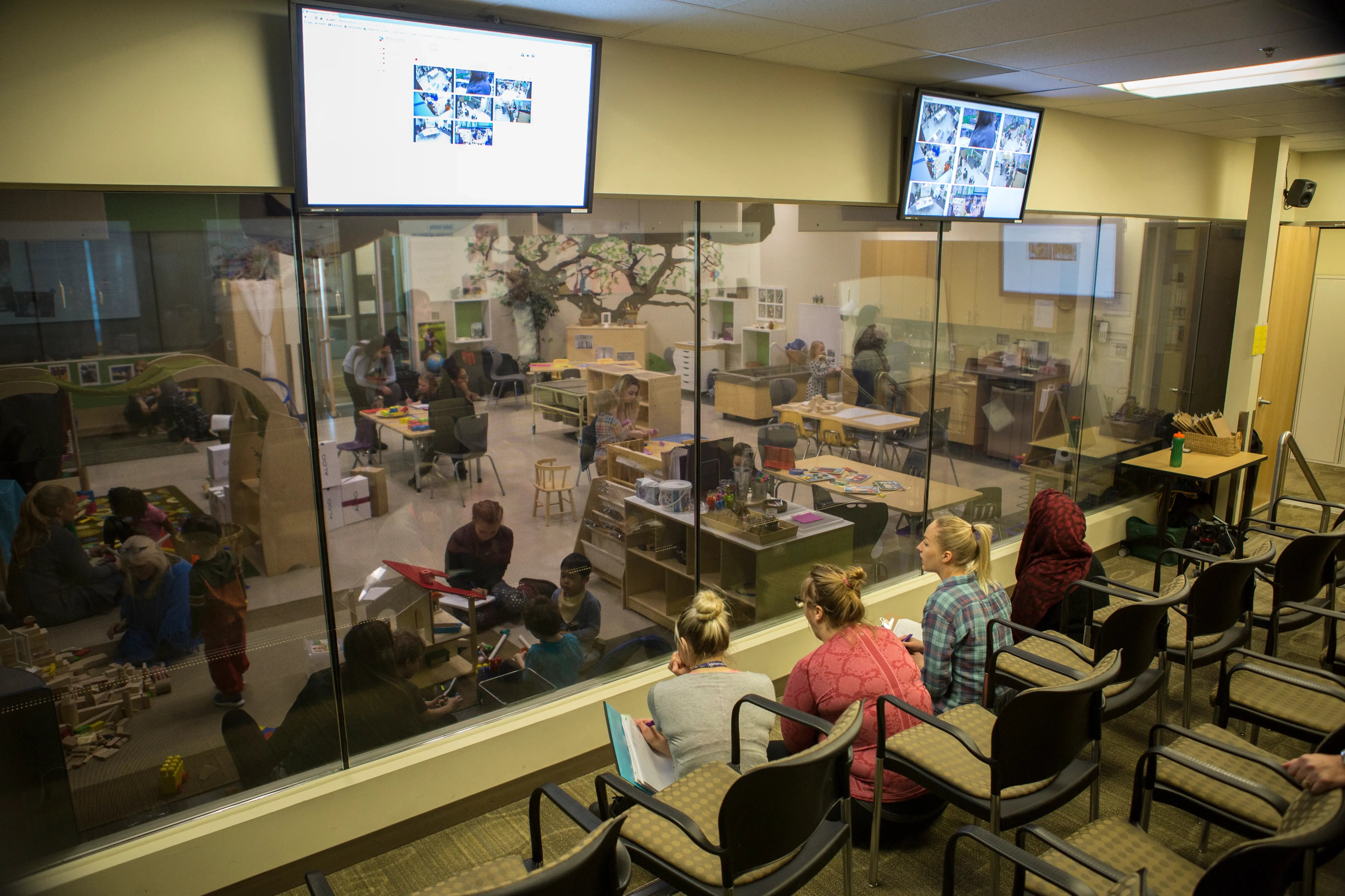
Behavior analysis relies on careful, precise observation. As such, the setup for this research was straightforward: from behind a one-way mirror, researchers observed participants complete preference assessments and reinforcement sessions. Several observers worked together in the live assessments, compared their scoring, and verified agreement across their notes.
To optimize this often time-consuming, inefficient and at times intrusive process, they needed a recording system they could trust. It had to capture clean audio and video, store sessions in an organized way, and provide researchers with quick access when they reviewed data or checked fidelity.
While the data output and access needed to be robust, the system also had to safeguard participant privacy and follow the study’s approval standards.
Set Up and Scenario
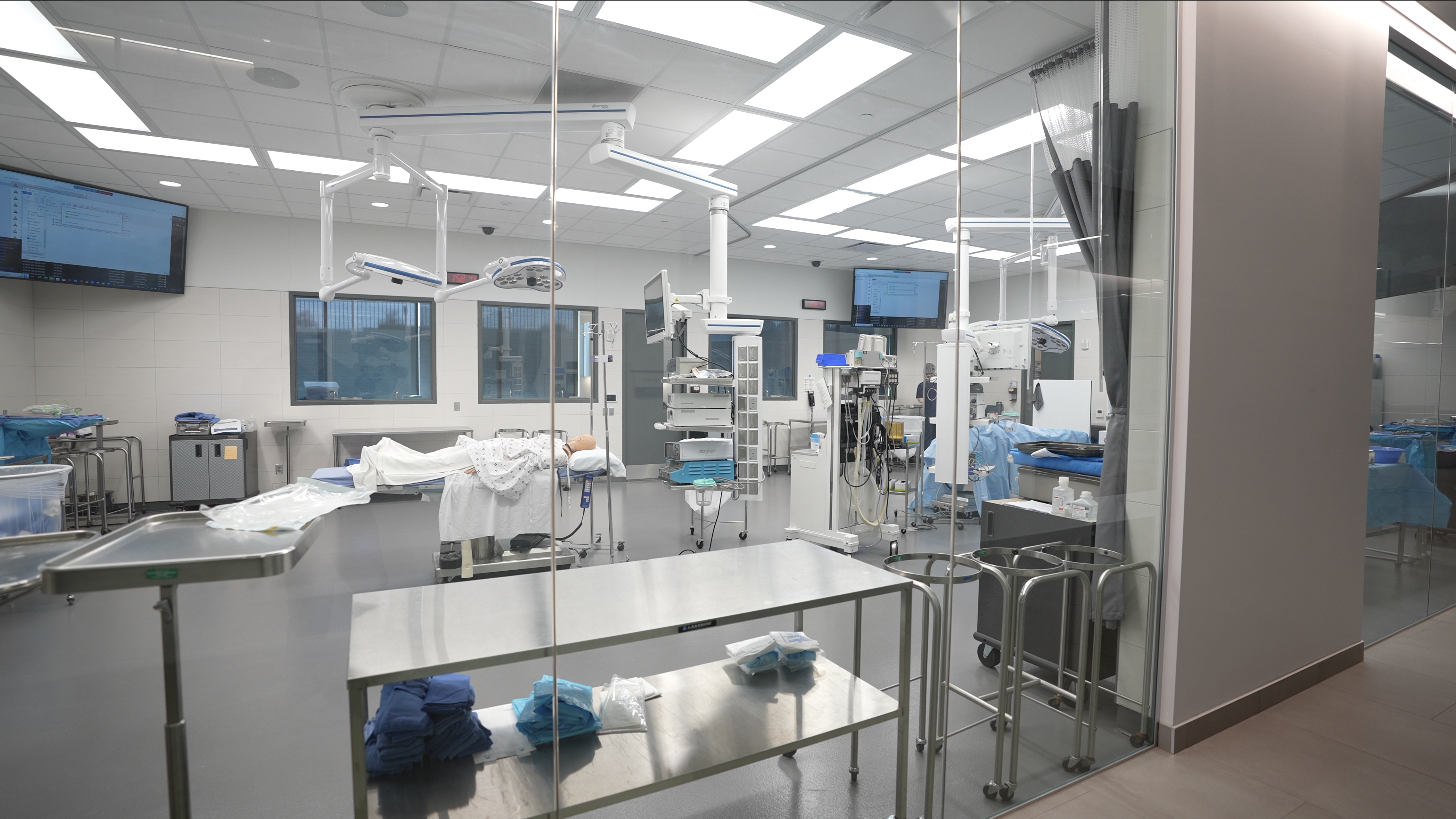
The study itself took place in two connected clinic rooms. One served as the treatment space for participants and therapists, while the other was an observation area for data collectors. Two VALT cameras and two microphones were installed in the treatment room. The setup allowed the research team to view the session in real time and record every interaction for later analysis.
Researchers relied on VALT to record how each child moved through the room and interacted with the items used in the free operant assessments. With views from several angles, the team could see exactly when a participant approached an item, how long they stayed with it, and how their choices shifted throughout the sessions.
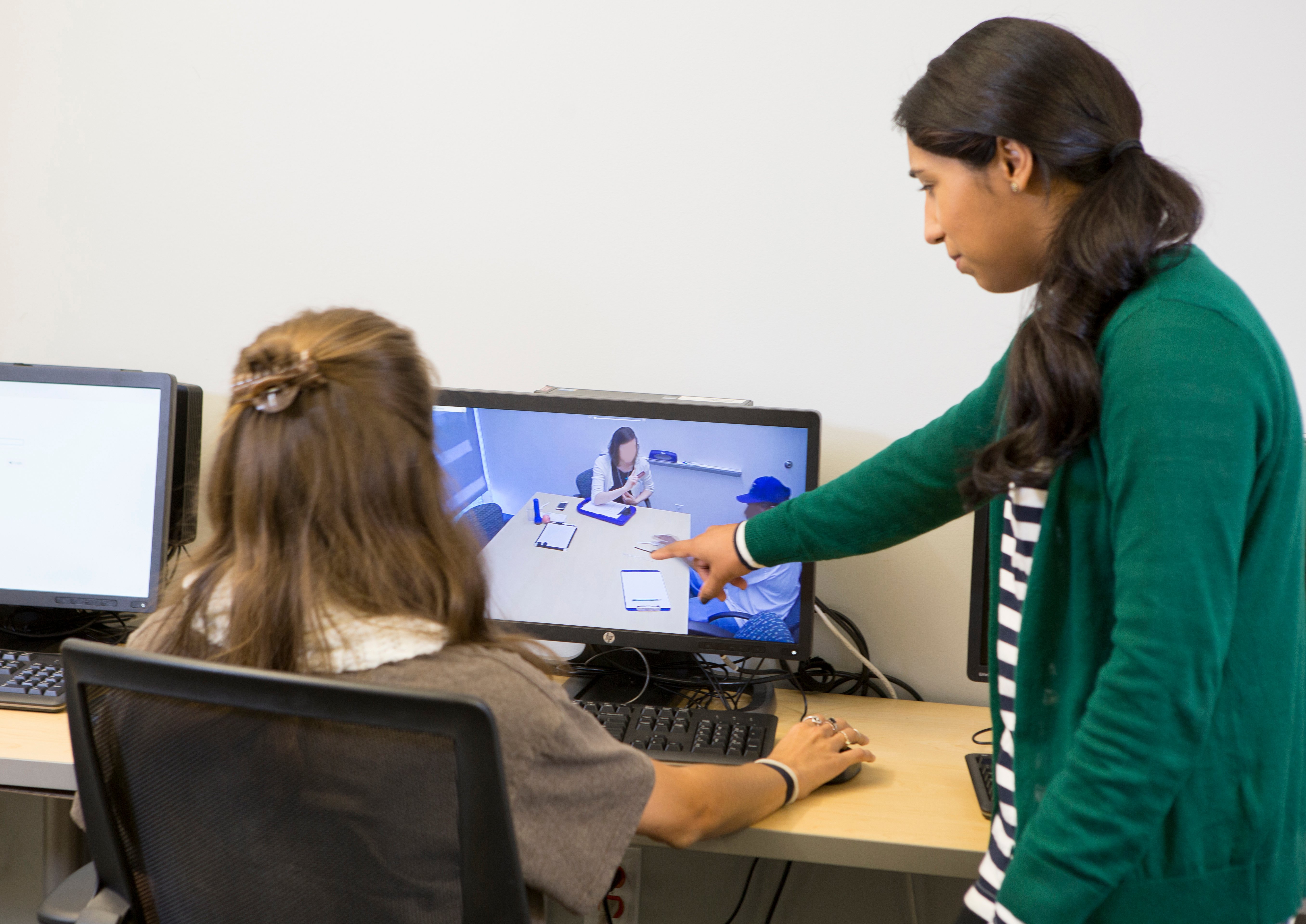
Later, the same recordings were used to measure response accuracy, procedural integrity, and the frequency of interfering behaviors.
How VALT Supported Behavior Research
VALT gave the research team a centralized way to collect and organize behavioral data. Each session was stored on a secure server that safeguarded participant information. Researchers could revisit any part of a recording, slow the footage, and verify details before settling on their scores.
Tags and timestamps let researchers place sessions next to one another, which made it easier to compare notes, confirm agreement, and maintain a steady standard across the complete set of data.
Since VALT let observers watch sessions from another room, participants were able to focus on the activity without feeling monitored. Their behavior came through more naturally as a result. The recordings also turned into a helpful teaching resource. New graduate students studied the footage to see how the room was arranged, how each assessment unfolded, and how reinforcement was delivered during the sessions.
Impact on Research and Training
Using VALT brought consistency to the research process:
- The synchronized audio and video gave the team a clear record to code from and made it easier to check whether each step of the procedure was carried out as planned.
- Students practiced running preference assessments, scoring behavior, and reviewing reinforcer use in situations that felt much closer to real practice.
Faculty gained real session footage they could use to demonstrate data scoring, room preparation, and alignment of observations across different reviewers. The research project showed how an integrated video system can enhance the scientific rigor of behavioral research.
Conclusion
VALT helped create a setting where researchers could concentrate on their active research instead of managing technology infrastructure.
Recording sessions in the same controlled space raised the overall clarity of the data and helped observers line up their notes with one another. The videos also gave students a direct look at how clinical work develops moment by moment.
Regular practice with these recordings strengthened their judgment and helped them build the observation habits they will use throughout their careers.
Curious if VALT is the right video capture solution for your next research project? Take a look at additional case studies now. Or request a demo of VALT.